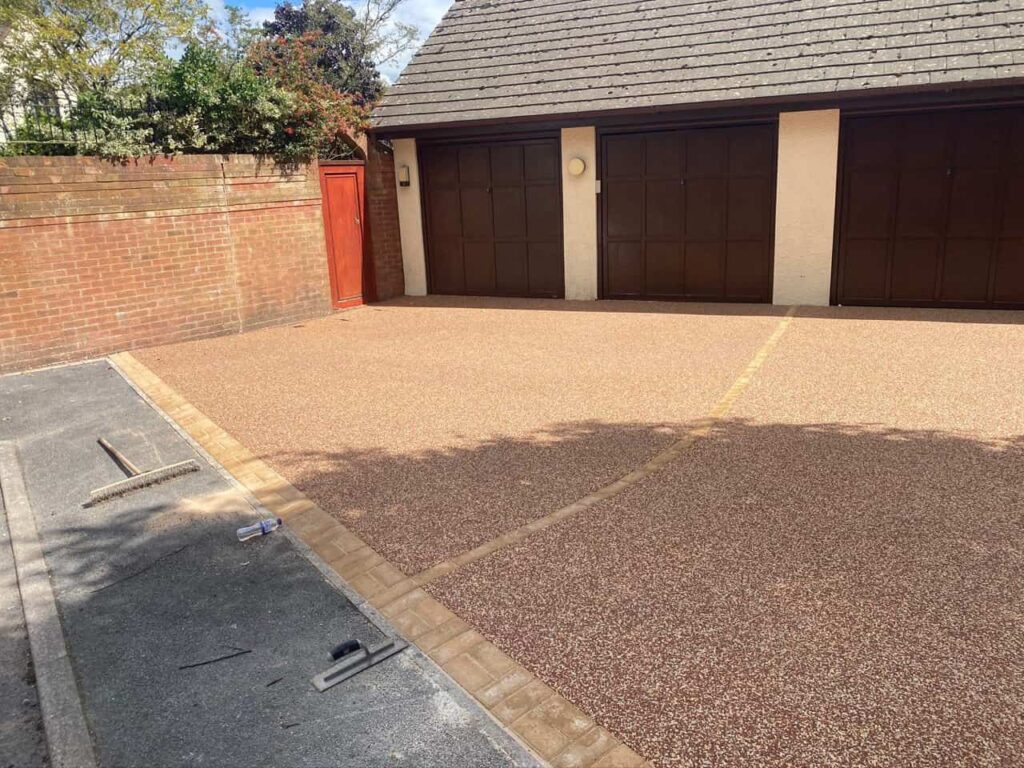
How Can Tarmac Resurfacing Improve a Worn but Stable Driveway?
A driveway can begin to look tired long before its underlying construction has completely failed. Surface wear, fading, shallow defects and previous repair marks may affect its appearance and performance, even though the base remains firm and stable.
In these circumstances, tarmac resurfacing may provide an effective solution. The process creates a new, continuous surface over a suitably prepared driveway rather than rebuilding it from the ground up. For property owners in Haddenham, Cambridgeshire, a professional assessment is essential to confirm whether the existing structure is suitable.
What Tarmac Resurfacing Can Achieve
Resurfacing can improve both the appearance and everyday usability of an existing driveway. Its success depends on careful preparation and a stable foundation beneath the new layer.
Restore a Smooth, Consistent Finish
Years of vehicle use and weather exposure can leave a driveway with worn patches, minor surface irregularities and a rough texture. Separate repairs may also create visible changes in colour and level.
A new tarmac layer covers the prepared surface, creating a more consistent finish across the driveway. Proper compaction helps produce an even surface without the patchwork appearance associated with numerous localised repairs.
Improve Everyday Vehicle Access
Shallow depressions and rough areas can make vehicle movement less comfortable, particularly where tyres repeatedly follow the same route. Resurfacing can correct suitable surface-level imperfections and provide a smoother approach to parking areas and entrances.
The existing levels must be reviewed before work begins. Adding new material without considering thresholds, gates and adjoining surfaces can create awkward transitions rather than improve access.
Address Minor Surface Deterioration
Small cracks and localised worn sections do not always mean that the full driveway requires reconstruction. Where deterioration remains limited to the upper layer, the affected areas can be prepared before resurfacing.
Cracks should not simply be concealed beneath new tarmac. Their cause and severity must be assessed first, as active movement underneath may eventually transfer through the new surface.
Create a More Unified Appearance
A driveway that has received repairs at different times can appear uneven even when it remains structurally functional. Variations in texture, colour and repair shape may make the entire area look more deteriorated than it is.
Resurfacing replaces this fragmented appearance with one continuous layer. Edges and transitions can also be finished more deliberately, helping the driveway look properly integrated with the property.
Improve Water Movement Across the Surface
Standing water can accelerate surface wear and indicate that the driveway’s levels are no longer directing rainfall effectively. Where the underlying construction remains stable, resurfacing may allow minor falls to be corrected.
Drainage must be considered during the planning stage. The new surface should guide water towards suitable collection or dispersal points rather than towards buildings, entrances or neighbouring sections of the driveway.
Strengthen the Existing Wearing Surface
The upper layer of a driveway receives direct contact from vehicle tyres, turning movements and changing weather. Once it becomes worn, loose material and minor defects can begin spreading.
A professionally installed tarmac overlay provides a renewed wearing course over the stable construction below. This creates a robust surface for regular use, provided that the existing base can support the new layer.
Extend the Useful Life of a Stable Driveway
Resurfacing can give a structurally sound driveway a renewed surface before wear develops into more extensive deterioration. It is particularly suitable where the base remains firm and there is no widespread sinking or movement.
The process does not restore a failed foundation. Its value comes from preserving and improving a driveway whose supporting structure is still performing correctly.
How Is a Driveway Prepared for Resurfacing?
Preparation determines how well the new tarmac bonds and performs. Depending on the condition of the existing surface, work may include:
- cleaning away dirt, vegetation and loose material
- treating suitable cracks and damaged patches
- removing unstable surface sections
- adjusting levels where appropriate
- preparing edges and adjoining transitions
- applying a bonding treatment
- laying and compacting the new tarmac layer
Skipping these stages can leave weaknesses beneath the overlay or prevent the new material from bonding consistently.
How Can You Tell Whether the Base Is Stable?
A driveway may be suitable for resurfacing when it remains firm under regular use and defects are mainly confined to the surface. Warning signs of deeper failure can include:
- widespread sinking or rutting
- repeated movement in the same areas
- large cracks that continue to open
- soft sections beneath vehicle loads
- extensive crumbling through multiple layers
- severe drainage problems caused by base movement
Where these problems are present, local excavation or reconstruction may be needed before a new surface can be installed.
Why a Professional Assessment Matters
A worn driveway can appear straightforward from above while concealing weaknesses beneath the surface. A professional contractor should inspect the base, drainage, edges, levels and existing defects before recommending resurfacing.
This ensures that a new layer is installed only where the driveway provides a suitable foundation. It also allows any necessary preparatory repairs to be incorporated into the project rather than covered over.
Conclusion
Tarmac resurfacing can transform a worn but stable driveway by creating a smoother, more consistent and durable surface. It can address suitable surface defects, improve vehicle access, refine drainage falls and remove the appearance of repeated patch repairs.
The existing base must be stable for resurfacing to provide a dependable result. If your driveway in Haddenham, Cambridgeshire is looking worn, Haddenham Driveways can assess its construction and advise whether resurfacing or more extensive preparation is appropriate. Contact the team to arrange a professional assessment.
Call us on: 01844 393 796
Click here to find out more about Haddenham Driveways
Click here to complete our contact form and see how we can help with your driveway needs.